

Product categories
- Apparel
- Cognitive Research Peptides
- Dermal Research Peptides
- Follicular Research Peptides
- Immunomodulatory Research Peptides
- Longevity Research Peptides
- Melanocortin Research Peptides
- Metabolic Research Peptides
- Mitochondrial Research Peptides
- Myogenic Research Peptides
- Neurobehavioral Research Peptides
- Neuroendocrine Research Peptides
- Peptide Research Supplies
- Regenerative Research Peptides
- Shop
- Somatotropic Research Peptides
Filter by price
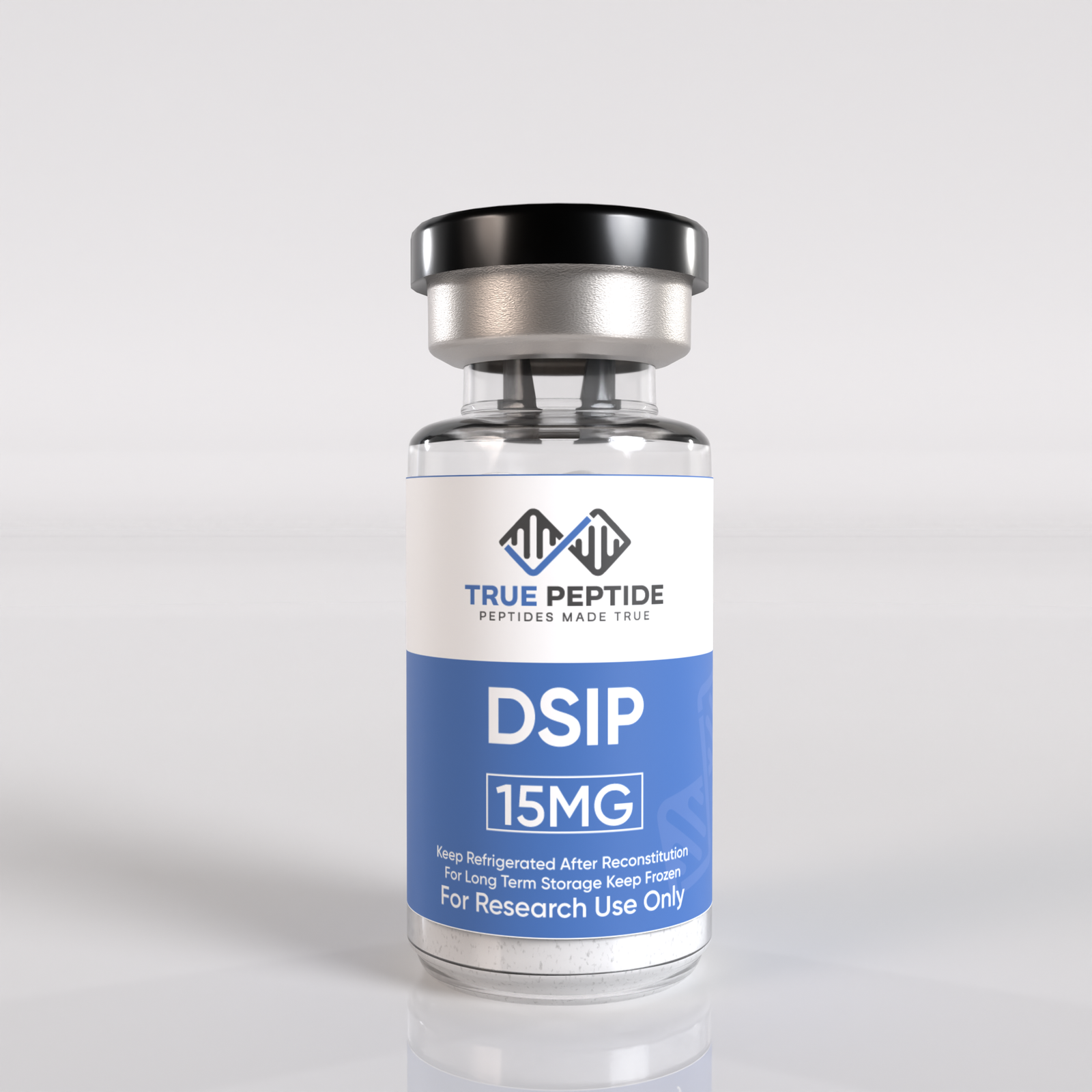
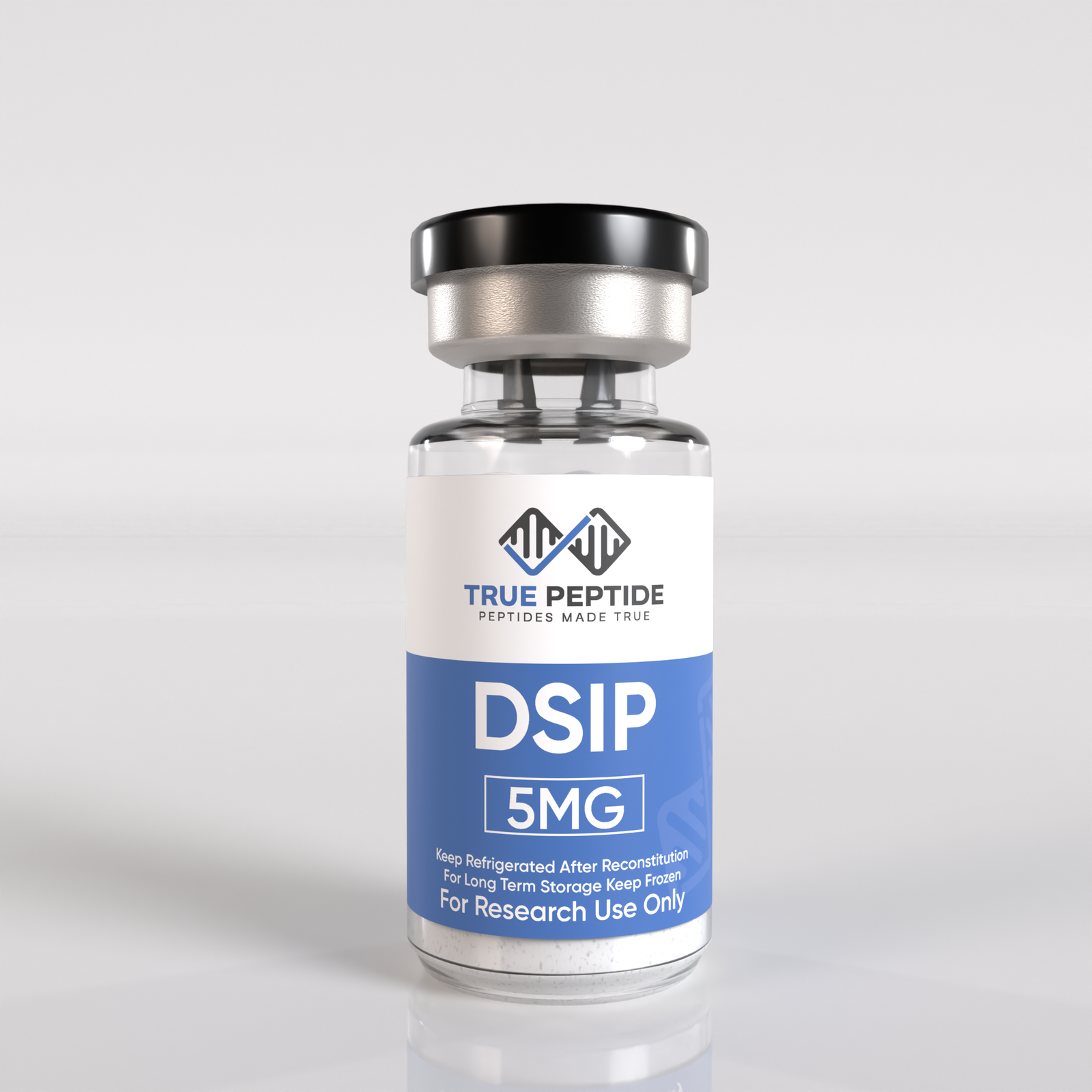


Cognitive research peptides are synthetic peptide compounds studied in preclinical laboratory research for activity at central nervous system targets involved in attention, memory consolidation, neuroplasticity, and stress adaptation. This True Peptide Labs category includes ACTH-derived nootropic fragments, short peptide bioregulators, vasoactive intestinal peptide (VIP), and neuropeptides with cognitive endpoints studied in rodent behavioral models and in vitro neuronal systems.
Every compound ships as lyophilized powder in a sealed sterile vial with a lot-specific certificate of analysis confirming ≥98% purity by HPLC and mass confirmation by MS, tested at ISO-accredited analytical laboratories. All products are sold strictly for research use only (RUO) by qualified researchers, laboratories, and institutions, and are not intended for human or veterinary use, diagnosis, or treatment of any disease per 21 CFR 312.2(b).
Table of Contents
- What Are Cognitive Research Peptides?
- Which Compounds Are Available in the True Peptide Labs Cognitive Category?
- What Are the Categories of Cognitive Research Peptides?
- Which Cognitive Research Peptides Are Most Studied?
- What Is the Importance of Cognitive Research Peptides in Preclinical Science?
- What Research Protocols Are Described in the Cognitive Peptide Literature?
- Are Cognitive Research Peptides Studied in Combination?
- What Dose Ranges Appear in Published Cognitive Peptide Studies?
- What Endpoints Are Measured in Cognitive Peptide Research?
- How Do Cognitive Research Peptides Cross the Blood-Brain Barrier?
- What Adverse Events Have Been Reported in the Cognitive Peptide Research Literature?
- In What Form Do Cognitive Research Peptides Ship?
- How Are Cognitive Research Peptides Tested for Purity?
- How to Purchase Cognitive Research Peptides Online
- What Is the Difference Between Cognitive and Neuroendocrine Research Peptides?
What Are Cognitive Research Peptides?
Cognitive research peptides are synthetic peptide compounds used in laboratory studies to investigate central nervous system pathways involved in attention, learning, memory consolidation, neuroplasticity, and stress adaptation in animal models and in vitro neuronal systems. These compounds act at targets including melanocortin receptors (via ACTH-derived fragments), the BDNF/TrkB signaling axis, GABAergic tone, the VIP receptor family (VPAC1/VPAC2), and oxytocin receptor (OXTR) systems. The class is defined by neuroactive mechanism and endpoint category, per the pharmacological framework described in the Russian Academy of Sciences peptide literature (Ashmarin, Kamensky, and colleagues at the Institute of Molecular Genetics) and the broader neuropeptide review literature.
Which Compounds Are Available in the True Peptide Labs Cognitive Category?
The compounds available in the True Peptide Labs cognitive research category, organized by mechanism, are listed below. Each compound links to its dedicated product page with certificate of analysis, primary literature references, and lot-specific purity data.
- N-Acetyl Semax (10 mg) — Acetylated heptapeptide analog of ACTH(4-10), studied for BDNF expression and attentional endpoints
- N-Acetyl Selank (10 mg) — Acetylated tuftsin-derived heptapeptide, studied for anxiolytic and GABAergic endpoints
- Pinealon (10 mg) — Khavinson tripeptide bioregulator (Glu-Asp-Arg), studied for cognitive and pineal-axis endpoints
- VIP (5 mg) — Vasoactive intestinal peptide, 28-amino-acid neuropeptide acting at VPAC1/VPAC2 receptors
- DSIP (5 mg, 15 mg) — Delta sleep-inducing peptide, cross-listed from the neuroendocrine category for sleep-architecture research
- Oxytocin (5 mg) — Nine-amino-acid neuropeptide, cross-listed from the neuroendocrine category for social-cognition endpoints
Each compound ships as lyophilized powder with a lot-specific certificate of analysis. Individual product pages provide the sequence, molecular weight, purity data, and primary literature citations for that specific compound.
What Are the Categories of Cognitive Research Peptides?
The categories of cognitive research peptides, organized by target and mechanism, are as follows:
- ACTH-derived neuropeptide fragments — including Semax and its N-acetyl analog, derived from the melanocortin ACTH(4-10) sequence, studied for effects on attention, BDNF transcription, and dopaminergic tone.
- Tuftsin-derived anxiolytic peptides — including Selank and its N-acetyl analog, derived from the immunoglobulin fragment tuftsin (Thr-Lys-Pro-Arg), studied for effects on GABAergic signaling and stress response.
- Short peptide bioregulators — including Pinealon (Glu-Asp-Arg), tri- and tetrapeptides from the Khavinson bioregulator research program at the St. Petersburg Institute of Bioregulation and Gerontology, studied for gene-expression and neuroprotection endpoints.
- Vasoactive intestinal peptide (VIP) and analogs — 28-amino-acid neuropeptides acting at class B G-protein-coupled receptors VPAC1 and VPAC2, studied for effects on circadian regulation and neuronal survival.
- Sleep-architecture peptides — including delta sleep-inducing peptide (DSIP), studied for effects on slow-wave sleep in electrophysiological recordings.
- Neuroendocrine peptides with cognitive endpoints — including oxytocin, studied for effects on social recognition, pair-bonding paradigms, and stress-response behavior.
Which Cognitive Research Peptides Are Most Studied?
The cognitive research peptides with the highest publication volume in PubMed and the broadest citation footprint include oxytocin (more than 25,000 indexed publications), VIP (more than 15,000 indexed publications), Semax and its analogs (more than 200 indexed publications, concentrated in the Russian and Eastern European neuropharmacology literature), DSIP, Selank, and the Khavinson bioregulator series including Pinealon. Publication volume across the National Library of Medicine's PubMed database provides one measurable indicator of research interest for each compound. Individual product pages in this category link to the primary literature for each specific compound.
What Is the Importance of Cognitive Research Peptides in Preclinical Science?
Cognitive research peptides are important to preclinical science because they are the primary experimental tools for probing neuropeptide signaling in behavioral models of attention, memory, anxiety, and social cognition. The Semax and Selank compound series were developed at the Institute of Molecular Genetics of the Russian Academy of Sciences and have been characterized across more than 40 years of published rodent and non-human primate behavioral studies. The Khavinson bioregulator series, including Pinealon, has been studied at the St. Petersburg Institute of Bioregulation and Gerontology for gene-expression endpoints in aged animal models. These compounds inform mechanism-of-action understanding for the melanocortin-cognition axis, the GABAergic-anxiolytic model, and the short-peptide gene regulation hypothesis in the peer-reviewed literature.
What Research Protocols Are Described in the Cognitive Peptide Literature?
Published preclinical protocols for cognitive peptides typically describe administration schedules (single-dose acute paradigms and chronic dosing over 5–21 days), routes (intranasal is the dominant route for Semax and Selank research given first-pass metabolism, with subcutaneous and intraperitoneal used in mechanistic studies), and endpoint measurements specific to each compound (Morris water maze for spatial memory, elevated plus maze and open field for anxiety, novel object recognition for declarative memory, and prepulse inhibition for attentional gating). Electrophysiological endpoints include hippocampal long-term potentiation (LTP) in acute slice preparations. Researchers must consult peer-reviewed methodology sections and obtain approval from their institution's IACUC or IRB before designing any in vivo study, per NIH Office of Laboratory Animal Welfare guidance.
Are Cognitive Research Peptides Studied in Combination?
Cognitive research peptides are studied in combination in the published literature, in what pharmacology reviews term convergent-pathway or complementary-endpoint research. Semax and Selank are frequently investigated together in the Russian neuropharmacology literature for combined attentional and anxiolytic endpoints, given their complementary melanocortin and GABAergic mechanisms. Combination protocols involving neuropeptides such as oxytocin with attention-modulating compounds have appeared in social-cognition research. All combination research described in the primary literature is conducted in laboratory settings under approved study protocols.
What Dose Ranges Appear in Published Cognitive Peptide Studies?
Dose ranges in the published cognitive peptide literature vary substantially by compound, model system, route of administration, and endpoint. Reported ranges span, for reference: 50–450 µg/kg intranasal for Semax in rodent attention and stroke-model studies from the Institute of Molecular Genetics; 100–300 µg/kg intranasal for Selank in murine anxiolytic research; 5–100 µg/kg subcutaneous for VIP in rodent circadian and neuroprotection studies; and behaviorally-effective doses for oxytocin in the 0.1–1 IU/kg range in intranasal social-cognition paradigms per Guastella and colleagues at the University of Sydney. Model systems include murine (C57BL/6J, BALB/c, and disease-model variants), rat (Wistar, Sprague-Dawley), and in vitro (primary hippocampal neuron cultures, SH-SY5Y). Specific compound product pages link to the primary literature where researchers can review the exact dose ranges reported for each study. This information is provided as literature reference only and does not constitute a recommendation for use.
What Endpoints Are Measured in Cognitive Peptide Research?
The endpoints measured in cognitive peptide research are as follows:
- Spatial learning and memory — quantified in Morris water maze, Barnes maze, and radial arm maze paradigms.
- Declarative and recognition memory — assessed by novel object recognition (NOR) and social recognition tests.
- Anxiety-related behavior — measured in elevated plus maze, open field, and light-dark box tests.
- Attentional performance — assessed in the 5-choice serial reaction time task (5-CSRTT).
- Synaptic plasticity — measured as long-term potentiation (LTP) magnitude in hippocampal slice electrophysiology.
- Neurotrophic factor expression — quantified by qPCR and Western blot for BDNF, NGF, and downstream signaling proteins.
- Sleep architecture — measured by EEG-defined slow-wave, REM, and NREM sleep quantification.
- Neuronal survival — assessed in oxidative-stress and excitotoxicity in vitro models.
How Do Cognitive Research Peptides Cross the Blood-Brain Barrier?
Cognitive research peptides cross the blood-brain barrier (BBB) through several mechanisms characterized in the pharmacology literature. Intranasal administration bypasses the BBB via the olfactory and trigeminal nerve pathways and is the predominant route in published Semax and Selank protocols per the methodology in Kaplan and Semenova (2003) and subsequent Russian Academy publications. Short peptide bioregulators such as Pinealon are reported to cross biological membranes via peptide transporters, per the Khavinson laboratory's published characterization. Oxytocin BBB penetration remains an active area of research, with intranasal delivery showing measurable central effects in the published social-cognition literature despite low direct BBB passage. N-acetylation of peptides such as Semax and Selank is a common modification studied for its effect on enzymatic stability and half-life.
What Adverse Events Have Been Reported in the Cognitive Peptide Research Literature?
The adverse events reported in the published preclinical and clinical trial literature for cognitive research peptides include injection-site observations (erythema, transient inflammation) for parenteral administration, nasal mucosal effects for intranasal routes, and, for compounds with human clinical research such as oxytocin and VIP, dose-dependent effects documented in the trial safety data. Some studies have found variable event rates that may be partly due to differences in formulation, route, and titration schedule across trials. Researchers must review the full published safety data for any specific compound before designing a study.
In What Form Do Cognitive Research Peptides Ship?
Cognitive research peptides from True Peptide Labs ship as lyophilized (freeze-dried) peptide powder in sealed sterile vials, packaged with a lot-specific certificate of analysis (COA) documenting purity by HPLC and mass by MS. Unopened vials are typically stored refrigerated at 2–8°C per the storage instructions on the COA, and reconstituted material is stored per the published stability data for the specific compound. Cold-pack shipping options are available for temperature-sensitive compounds. All orders ship from the True Peptide Labs facility in Palm Beach Gardens, Florida.
How Are Cognitive Research Peptides Tested for Purity?
Cognitive research peptides at True Peptide Labs are tested every lot by third-party ISO-accredited analytical laboratories using high-performance liquid chromatography (HPLC) for purity determination and mass spectrometry (MS) for molecular weight confirmation. Certificates of analysis are lot-specific and are available on each product page or by request. Testing methodology follows the analytical standards described in the United States Pharmacopeia (USP) general chapter <1503> for peptide characterization.
How to Purchase Cognitive Research Peptides Online
Cognitive research peptides can be purchased directly through the True Peptide Labs catalog on this page. Products are sold exclusively for research use by qualified researchers, laboratories, and institutions, and are not available for human use. All orders ship from the Palm Beach Gardens, Florida facility with standard shipping and cold-pack options for temperature-sensitive compounds. By purchasing, buyers affirm the material will not be administered to humans or animals outside of an approved research protocol reviewed by their institution's IACUC or IRB.
What Is the Difference Between Cognitive and Neuroendocrine Research Peptides?
Cognitive research peptides target central nervous system pathways involved in attention, memory, and neuroplasticity — the melanocortin, BDNF, and GABAergic axes — while neuroendocrine research peptides target the hypothalamic-pituitary axis and the systemic hormonal signaling pathways it controls. The two categories overlap for compounds such as DSIP and oxytocin, which act at both central neuroendocrine and cognitive-behavioral endpoints. The dedicated neuroendocrine research peptides category page covers Kisspeptin, DSIP, and Oxytocin under their primary hypothalamic-pituitary framework.