

Product categories
- Apparel
- Cognitive Research Peptides
- Dermal Research Peptides
- Follicular Research Peptides
- Immunomodulatory Research Peptides
- Longevity Research Peptides
- Melanocortin Research Peptides
- Metabolic Research Peptides
- Mitochondrial Research Peptides
- Myogenic Research Peptides
- Neurobehavioral Research Peptides
- Neuroendocrine Research Peptides
- Peptide Research Supplies
- Regenerative Research Peptides
- Shop
- Somatotropic Research Peptides
Filter by price

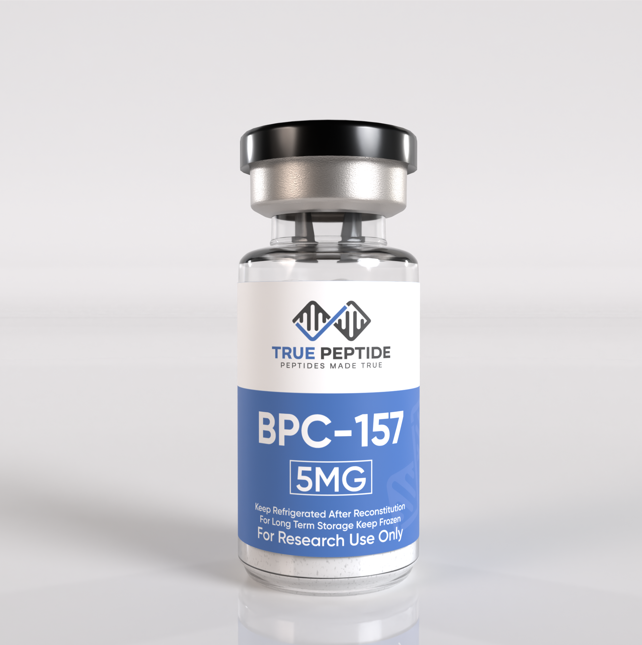
BPC-157


BPC-157 TB-500 Blend


GHK-CU



Regenerative research peptides are synthetic peptide compounds studied in preclinical laboratory research for activity at targets involved in tissue repair, angiogenesis, wound closure, inflammation resolution, and neuroregeneration. This True Peptide Labs category includes gastric-derived pentadecapeptides, thymosin β4 fragments, α-MSH-derived tripeptides, erythropoietin-derived innate repair receptor agonists, and multi-peptide regenerative blends studied for effects on wound-closure kinetics, tendon and ligament healing paradigms, gastrointestinal mucosal repair models, and peripheral nerve regeneration in rodent and in vitro systems.
Every compound ships as lyophilized powder in a sealed sterile vial with a lot-specific certificate of analysis confirming ≥98% purity by HPLC and mass confirmation by MS, tested at ISO-accredited analytical laboratories. All products are sold strictly for research use only (RUO) by qualified researchers, laboratories, and institutions, and are not intended for human or veterinary use, diagnosis, or treatment of any disease per 21 CFR 312.2(b).
Table of Contents
- What Are Regenerative Research Peptides?
- Which Compounds Are Available in the True Peptide Labs Regenerative Category?
- What Are the Categories of Regenerative Research Peptides?
- Which Regenerative Research Peptides Are Most Studied?
- What Is the Importance of Regenerative Research Peptides in Preclinical Science?
- What Tissue Systems Are Studied in Regenerative Peptide Research?
- What Research Protocols Are Described in the Regenerative Peptide Literature?
- Are Regenerative Research Peptides Studied in Combination?
- What Dose Ranges Appear in Published Regenerative Peptide Studies?
- What Endpoints Are Measured in Regenerative Peptide Research?
- What Signaling Pathways Do Regenerative Research Peptides Target?
- What Model Systems Are Used in Regenerative Peptide Research?
- What Adverse Events Have Been Reported in the Regenerative Peptide Research Literature?
- In What Form Do Regenerative Research Peptides Ship?
- How Are Regenerative Research Peptides Tested for Purity?
- How to Purchase Regenerative Research Peptides Online
- What Is the Difference Between Regenerative and Immunomodulatory Research Peptides?
What Are Regenerative Research Peptides?
Regenerative research peptides are synthetic peptide compounds used in laboratory studies to investigate tissue repair, wound closure kinetics, angiogenesis, inflammation resolution, and neuroregeneration in rodent injury models and in vitro cell culture systems. These compounds act at targets including the VEGF/eNOS/NO signaling axis, actin cytoskeletal polymerization, the melanocortin receptor family, the innate repair receptor (a heterocomplex of the erythropoietin receptor and the common beta receptor), and the growth hormone / IGF-1 signaling pathway. The class is defined by mechanism of action on tissue repair and regeneration pathways, per the pharmacological framework used in the BPC-157, thymosin β4, and erythropoietin-derived peptide literature.
Which Compounds Are Available in the True Peptide Labs Regenerative Category?
The compounds available in the True Peptide Labs regenerative research category, organized by mechanism, are listed below. Each compound links to its dedicated product page with certificate of analysis, primary literature references, and lot-specific purity data.
- BPC-157 — Body Protection Compound-157, a pentadecapeptide fragment derived from a gastric juice protein, characterized extensively in the Sikirić laboratory at the University of Zagreb across gastrointestinal, tendon, ligament, muscle, and neurological injury models
- TB-500 — Synthetic peptide corresponding to the active-site region of thymosin β4, an actin-binding peptide studied for cell migration, angiogenesis, and tissue-repair endpoints
- BPC-157 + TB-500 Blend (5 mg / 5 mg) — Peptide blend combining the two flagship regenerative compounds for convergent-pathway wound-healing research
- GHK-Cu + BPC-157 + TB-500 Blend — Triple peptide blend adding the copper tripeptide GHK-Cu for combined dermal and systemic tissue-repair endpoints
- Hulk Blend (KPV / TB-500 / BPC-157) — Peptide blend combining the α-MSH-derived anti-inflammatory tripeptide KPV with TB-500 and BPC-157 for convergent inflammation-resolution and tissue-repair research
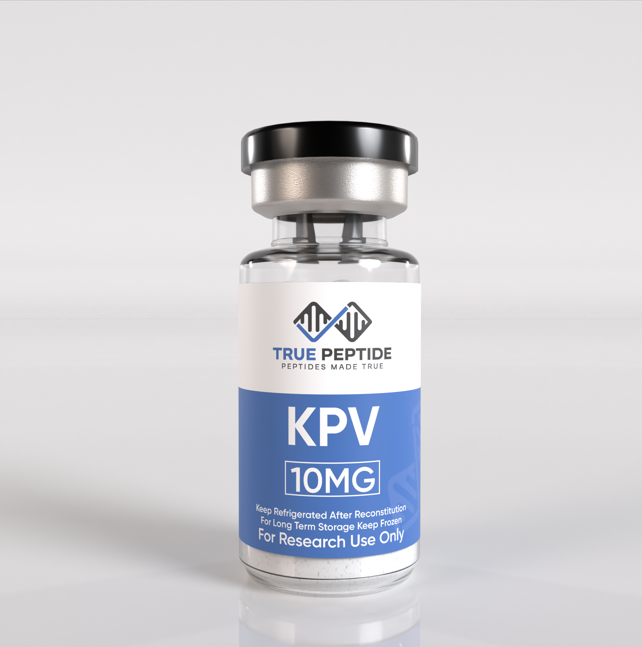
- KPV (10 mg) — Lys-Pro-Val tripeptide, the C-terminal fragment of α-MSH, studied for anti-inflammatory endpoints in colitis and mucosal inflammation models; cross-listed with the immunomodulatory category
- ARA-290 (10 mg) — Cibinetide, an 11-amino acid erythropoietin-derived peptide characterized in the Araim Pharmaceuticals development program, studied at the innate repair receptor for neuroregenerative and anti-inflammatory endpoints; cross-listed with the immunomodulatory category
- GHK-Cu — Copper tripeptide, cross-listed from the dermal category for extracellular matrix remodeling and wound-healing endpoints
- KLOW Blend — Multi-peptide blend, cross-listed from the dermal category for combined dermal-regenerative endpoints
Each compound ships as lyophilized powder with a lot-specific certificate of analysis. Individual product pages provide the sequence, molecular weight, purity data, and primary literature citations for that specific compound.
What Are the Categories of Regenerative Research Peptides?
The categories of regenerative research peptides, organized by origin and mechanism, are as follows:
- Gastric-derived pentadecapeptides — including BPC-157, derived from a fragment of a gastric juice protein and studied across a broad range of injury models in the University of Zagreb research program.
- Thymosin β4 fragments — including TB-500, the synthetic peptide corresponding to the actin-binding active-site region of the endogenous 43-amino acid thymosin β4 protein, studied for cell migration, endothelial tube formation, and angiogenesis.
- α-MSH-derived tripeptides — including KPV (Lys-Pro-Val), the C-terminal tripeptide of α-melanocyte-stimulating hormone, studied for anti-inflammatory endpoints in gut and skin mucosal models.
- Erythropoietin-derived innate repair receptor agonists — including ARA-290 (cibinetide), designed to activate the innate repair receptor (a heterocomplex of the erythropoietin receptor with the common beta receptor) without stimulating erythropoiesis.
- Copper tripeptide compounds — including GHK-Cu, cross-listed from the dermal category for its extensive tissue-remodeling literature.
- Multi-peptide regenerative blends — combining BPC-157, TB-500, KPV, and GHK-Cu in various formulations for convergent-pathway research at wound-healing, inflammation, and matrix-remodeling endpoints.
Which Regenerative Research Peptides Are Most Studied?
The regenerative research peptides with the largest published footprint include BPC-157, which has been characterized across more than 100 preclinical injury-model publications from the Sikirić research program at the University of Zagreb School of Medicine, spanning gastrointestinal, musculoskeletal, cardiovascular, and neurological endpoints. Thymosin β4 and its TB-500 fragment have been characterized across the actin-cytoskeleton and angiogenesis literature since the identification of thymosin β4 in the 1980s. ARA-290 anchors the innate repair receptor literature developed in the Araim Pharmaceuticals program. KPV and the α-MSH C-terminal tripeptide series have been studied in the mucosal anti-inflammatory literature. Individual product pages in this category link to the primary literature for each specific compound.
What Is the Importance of Regenerative Research Peptides in Preclinical Science?
Regenerative research peptides are important to preclinical science because they are the primary experimental tools for probing tissue repair mechanisms, angiogenesis, cell migration, and inflammation resolution in rodent injury models and in vitro cell systems. BPC-157 has served as a molecular probe for gastrointestinal cytoprotection, tendon healing, and neurovascular repair across the Sikirić laboratory's multi-decade research program. Thymosin β4 and its TB-500 fragment are foundational tools for actin-cytoskeleton and cell-migration research at the intersection of wound healing and angiogenesis. ARA-290 has enabled the identification and characterization of the innate repair receptor as a distinct pharmacological target from the classical erythropoietin receptor. Compounds in this category inform mechanism-of-action understanding for the VEGF-eNOS-NO tissue repair axis, the actin polymerization-migration model, and the innate repair receptor framework in the peer-reviewed literature.
What Tissue Systems Are Studied in Regenerative Peptide Research?
The tissue systems studied in regenerative peptide research are as follows:
- Gastrointestinal mucosa — including the gastric epithelium, small intestinal villi, and colonic epithelium, studied in ulcer, colitis, and mucosal-injury models.
- Tendon and ligament — including the Achilles tendon and medial collateral ligament, studied in transection and crush injury models with biomechanical endpoints.
- Skeletal muscle — studied in laceration, crush, and toxin-induced injury models with cross-sectional area and functional recovery endpoints.
- Skin — studied in excisional and incisional wound-healing models with closure kinetics and histomorphometric endpoints.
- Peripheral nervous system — including the sciatic and tibial nerves, studied in crush and transection models with electrophysiological and behavioral recovery endpoints.
- Central nervous system — studied in stroke, traumatic brain injury, and neurodegeneration models with neurite outgrowth and functional endpoints.
- Cardiovascular tissue — including myocardium and endothelium, studied in ischemia-reperfusion and infarct models.
- Cornea and ocular surface — studied in dry-eye and epithelial injury models with epithelial closure endpoints.
What Research Protocols Are Described in the Regenerative Peptide Literature?
Published preclinical protocols for regenerative peptides typically describe administration schedules (single-dose acute studies, chronic dosing over 7–42 days for tissue-repair endpoints), routes (intraperitoneal and subcutaneous for BPC-157 and TB-500, subcutaneous for ARA-290, and intragastric gavage for gastrointestinal-specific BPC-157 protocols), and endpoint measurements specific to each model. Study designs include rodent Achilles tendon transection with biomechanical force-to-failure testing, DSS- or TNBS-induced colitis with disease activity index scoring, streptozotocin-induced diabetic neuropathy for ARA-290 research, sciatic nerve crush with sciatic functional index (SFI) and electrophysiology, and cardiac ischemia-reperfusion with infarct size quantification. Researchers must consult peer-reviewed methodology sections and obtain approval from their institution's IACUC or IRB before designing any in vivo study, per NIH Office of Laboratory Animal Welfare guidance.
Are Regenerative Research Peptides Studied in Combination?
Regenerative research peptides are studied in combination in the published literature, in what pharmacology reviews term convergent-pathway or complementary-mechanism research. BPC-157 and TB-500 are frequently investigated together in tissue-repair research given their distinct but complementary mechanisms — BPC-157 acting via VEGF/eNOS/NO and growth-hormone-receptor signaling, and TB-500 acting via actin polymerization and cell migration. Multi-peptide blends including the GHK-Cu + BPC-157 + TB-500 formulation and the Hulk Blend (KPV / TB-500 / BPC-157) represent this combination approach in a single research vehicle. α-MSH-derived tripeptides such as KPV are studied alongside BPC-157 for combined anti-inflammatory and cytoprotective endpoints in mucosal-injury models. All combination research described in the primary literature is conducted in laboratory settings under approved study protocols reviewed by the researcher's institution.
What Dose Ranges Appear in Published Regenerative Peptide Studies?
Dose ranges in the published regenerative peptide literature vary substantially by compound, model system, route of administration, and endpoint. Reported ranges span, for reference: 10 µg/kg to 10 mg/kg intraperitoneal or intragastric for BPC-157 in rodent injury models across the Sikirić laboratory's protocols; low-microgram to low-milligram per kilogram subcutaneous for TB-500 in cardiac and dermal wound models; low-microgram-per-kilogram subcutaneous for ARA-290 in rodent neuropathy and inflammation models; and microgram-per-kilogram intraperitoneal for KPV in DSS-colitis and mucosal-inflammation models. Model systems include murine (C57BL/6J, BALB/c, and diabetic db/db strains), rat (Sprague-Dawley and Wistar), and in vitro (primary fibroblast cultures, HUVECs for angiogenesis, dorsal root ganglion cultures for neuroregeneration). Specific compound product pages link to the primary literature where researchers can review the exact dose ranges reported for each study. This information is provided as literature reference only and does not constitute a recommendation for use.
What Endpoints Are Measured in Regenerative Peptide Research?
The endpoints measured in regenerative peptide research are as follows:
- Wound closure kinetics — quantified as percent closure over time in excisional wound models and scratch-wound assays.
- Tendon and ligament biomechanical strength — force to failure, stiffness, and load-to-yield measured by tensile testing at defined recovery timepoints.
- Gastric and intestinal mucosal integrity — assessed by histological ulcer index, disease activity index (DAI), and epithelial permeability assays.
- Endothelial tube formation — measured in Matrigel-based assays with HUVECs.
- Angiogenesis in vivo — quantified by microvessel density in tissue sections and by the chick chorioallantoic membrane (CAM) assay.
- Cell migration — measured by Boyden chamber, transwell, and scratch assays.
- VEGF, eNOS, and NO production — quantified by ELISA, Western blot, and Griess assay respectively.
- Inflammatory cytokine profile — TNF-α, IL-6, IL-1β, and IL-10 measured by multiplex assay in tissue homogenates and serum.
- Neurite outgrowth — quantified in dorsal root ganglion (DRG) and PC12 cultures.
- Sciatic functional index (SFI) — behavioral quantification of peripheral nerve regeneration in rodent walking-track analysis.
- Collagen deposition — hydroxyproline assay and Sirius Red / picrosirius red histological staining.
What Signaling Pathways Do Regenerative Research Peptides Target?
The signaling pathways targeted by regenerative research peptides in this category are as follows:
- VEGF / eNOS / NO axis — a central angiogenic and cytoprotective pathway studied as a downstream effector of BPC-157 activity.
- Growth hormone receptor upregulation — BPC-157 has been reported to increase GHR expression in the tissue-repair literature.
- Actin polymerization (G-actin sequestration and F-actin dynamics) — the primary molecular function of thymosin β4 and its TB-500 fragment.
- Innate repair receptor (EPOR / βcR heterocomplex) — targeted by ARA-290 and structurally related erythropoietin-derived peptides, distinct from the classical erythropoiesis-driving EPOR homodimer.
- Melanocortin receptors (MC1R and downstream) — engaged by α-MSH C-terminal tripeptide KPV in anti-inflammatory signaling.
- Copper transport (CTR1, ATP7A/7B) — engaged by GHK-Cu for downstream matrix-remodeling enzyme activation.
- NF-κB inflammatory signaling — modulated by KPV and ARA-290 as anti-inflammatory mechanisms.
- Nrf2 / HO-1 antioxidant response — studied as a downstream effector of regenerative peptide cytoprotection.
- PI3K / Akt survival signaling — engaged by IGF-1 and BPC-157 in cell-survival contexts.
What Model Systems Are Used in Regenerative Peptide Research?
The model systems used in regenerative peptide research are as follows:
- Rodent excisional and incisional wound models — full-thickness dorsal punch biopsies and linear incisions in mice and rats.
- Achilles tendon transection model — surgical division of the Achilles tendon with biomechanical strength testing at defined recovery windows.
- Medial collateral ligament (MCL) injury models — for ligament-specific regenerative endpoints.
- DSS- and TNBS-induced colitis — standard rodent models for inflammatory bowel disease research relevant to KPV, BPC-157, and ARA-290.
- Streptozotocin-induced diabetic neuropathy — the primary rodent model for ARA-290 neuroregenerative research.
- Sciatic nerve crush and transection — for peripheral nerve regeneration research with sciatic functional index and electrophysiological endpoints.
- Cardiac ischemia-reperfusion models — coronary artery ligation-reperfusion in rodents for infarct-size and functional endpoints.
- Human umbilical vein endothelial cells (HUVECs) — the standard in vitro angiogenesis line.
- Primary human dermal fibroblasts — for collagen synthesis and migration research.
- Dorsal root ganglion (DRG) neuron cultures — for neurite outgrowth research relevant to peripheral regeneration.
What Adverse Events Have Been Reported in the Regenerative Peptide Research Literature?
The adverse events reported in the published preclinical literature for regenerative research peptides include injection-site observations (erythema, transient inflammation) for parenteral administration, and, for peptide blend formulations, cumulative vehicle-related effects documented in the study record. ARA-290 has been studied in human clinical trials for neuropathic pain and inflammatory endpoints, and the trial safety data document the adverse event profile at the doses tested. BPC-157 has been characterized across an extensive rodent safety dataset with a wide therapeutic window in the published preclinical literature. Some studies have found variable event rates that may be partly due to differences in formulation, route, and dosing schedule across trials. Researchers must review the full published safety data for any specific compound before designing a study.
In What Form Do Regenerative Research Peptides Ship?
Regenerative research peptides from True Peptide Labs ship as lyophilized (freeze-dried) peptide powder in sealed sterile vials, packaged with a lot-specific certificate of analysis (COA) documenting purity by HPLC and mass by MS. Unopened vials are typically stored refrigerated at 2–8°C per the storage instructions on the COA, and reconstituted material is stored per the published stability data for the specific compound. Cold-pack shipping options are available for temperature-sensitive compounds. All orders ship from the True Peptide Labs facility in Palm Beach Gardens, Florida.
How Are Regenerative Research Peptides Tested for Purity?
Regenerative research peptides at True Peptide Labs are tested every lot by third-party ISO-accredited analytical laboratories using high-performance liquid chromatography (HPLC) for purity determination and mass spectrometry (MS) for molecular weight confirmation. Certificates of analysis are lot-specific and are available on each product page or by request. Testing methodology follows the analytical standards described in the United States Pharmacopeia (USP) general chapter <1503> for peptide characterization.
How to Purchase Regenerative Research Peptides Online
Regenerative research peptides can be purchased directly through the True Peptide Labs catalog on this page. Products are sold exclusively for research use by qualified researchers, laboratories, and institutions, and are not available for human use. All orders ship from the Palm Beach Gardens, Florida facility with standard shipping and cold-pack options for temperature-sensitive compounds. By purchasing, buyers affirm the material will not be administered to humans or animals outside of an approved research protocol reviewed by their institution's IACUC or IRB.
What Is the Difference Between Regenerative and Immunomodulatory Research Peptides?
Regenerative research peptides target tissue repair mechanisms — angiogenesis, cell migration, matrix deposition, and mucosal healing — while immunomodulatory research peptides target immune cell populations and cytokine signaling directly, including T cell regulation, innate immunity, and antimicrobial defense. The two categories overlap substantially for compounds such as KPV, ARA-290, and BPC-157, which produce anti-inflammatory effects that support tissue-repair endpoints. The dedicated immunomodulatory research peptides category page covers Thymosin Alpha-1, LL-37, and cross-listed compounds under their primary immune-modulation framework, and the dermal research peptides category page covers GHK-Cu and KLOW Blend under their primary skin-remodeling framework.